
Our Personal Convictions: 5 Better For You Categories Worth Exploring in Indonesia
A structured look at the categories we believe are worth exploring, combining market data, distribution realities, and our personal conviction.

First of All, Thank You
We were genuinely blown away by the enthusiasm and thoughtful conversations around our previous piece, “If You Want to Build a Consumer Brand in Indonesia, Start Here.” Thank you, it means a lot!
Today, we want to share something slightly different.
Not just frameworks. Not just data.
But a mix of structured analysis and personal conviction.
In this piece, we’re sharing five better for you product categories we personally find interesting to explore in Indonesia.
We’ll evaluate them through two lenses:
Objective: addressable market, growth rate, competitive landscape, and distribution readiness.
Subjective: behavioral shifts we’re observing, cultural compatibility, operational feasibility, and whether we genuinely believe the product can scale here.
This isn’t trend chasing. And it’s not prediction either. It’s simply our attempt to articulate where data and conviction intersect.
The Lens We’re Using
Before we get into the list, one important clarification.
When we say “better-for-you,” we’re not talking about extreme wellness products.
We’re not talking about niche superfoods. And we’re definitely not talking about forcing behavioral change.
In Indonesia, scale rarely comes from changing habits overnight. It comes from upgrading habits that already exist.
But this is also where our personal lens comes in.
We spend a lot of time observing:
What we personally consume
What our friends are starting to switch to
What shows up repeatedly in modern trade and online channels
What feels culturally compatible, not aspirational
So instead of asking:
What’s the next global health trend?
We asked a simpler, and slightly more subjective question:
What are Indonesians already consuming at massive scale
and which of those habits do we personally believe can be upgraded in a realistic, scalable way?
That became our filter.
Each category below:
Sits inside a large, proven consumption base
Benefits from existing distribution infrastructure
Requires minimal education
Has room for incremental improvement
And importantly feels believable to us in the Indonesian context
Not radical reinvention.
Incremental upgrades.
Because in markets like Indonesia, incremental often scales better than revolutionary. This list reflects where data and our conviction intersect.
With that framing in mind, let’s start with beverages specifically, a category that global giants are already validating.
1. Probiotic Soda
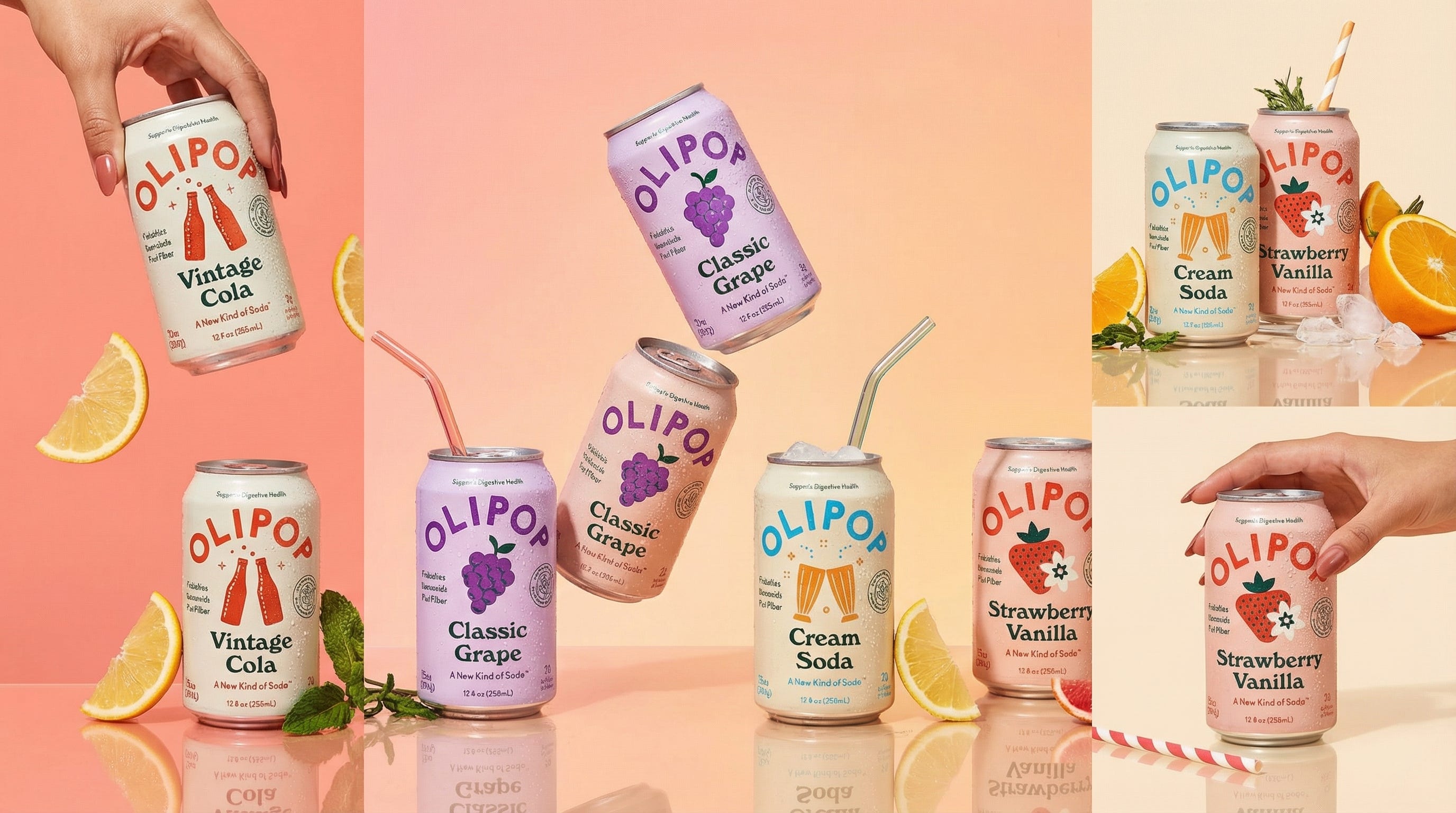
If there’s one category that global giants are quietly validating right now, it’s this.
Not kombucha.
Not traditional health drinks.
But probiotic soda.
Objective Lens
Let’s start with the base.
While granular Indonesian soda revenue public numbers are scattered, broader soft drink industry data suggests the category is:
A large component of the overall Indonesian soft drinks market, which had total revenues of ~US$17.6 billion in 2023 (Market Line), including carbonated drinks, tea, juices, RTD coffee, etc.
Inside that, carbonated soft drinks remain one of the core subsegments deeply distributed, high frequency, and culturally embedded.
This is important. Because we’re not trying to invent a new beverage category. We’re trying to upgrade an existing one.
Now look at the adjacent functional layer.
According to DataM Intelligence, the Indonesia probiotic drinks market was valued at ~US$643.9 million in 2023 and is projected to reach ~US$925.4 million by 2027, growing at a ~9.66% CAGR.
That growth rate is significantly faster than traditional carbonated soda.
So structurally, what do we see?
A multi-billion dollar soda base habit
A high single-digit growth probiotic drink segment
Rising consumer awareness around sugar and gut health
Probiotic soda sits right in between those two forces.
Not niche health.
Not traditional sugar soda.
An intersection.
Our Conviction - Subjective Lens
Now the more personal part.
We don’t believe Indonesians will stop drinking soda. That’s unrealistic. Coca-Cola, Pepsi, Sprite and other major brands are already deeply embedded in Indonesia.
Their distribution is:
Extremely strong
Nationwide across GT and MT
Backed by layered principal → distributor → retailer systems
Reinforced by e-grocery, food delivery, and online channels
This ecosystem is mature. It’s efficient. And frankly, very difficult to disrupt head on. We’ re not naïve about that. So this is not a “let’s beat Coke” thesis.
Because at the same time, we’re observing something subtle but important:
Sugar awareness is rising, especially among urban Gen Z and millennials
Gut health conversations are becoming more mainstream
Functional beverages are becoming normalized, not niche
Health in general is slowly shifting from aspiration to identity
The opportunity isn’t to replace soda. It’s to make soda feel:
Less guilty
Functionally differentiated
Still fun and refreshing
And in our view, upgrading a multi-billion-dollar consumption habit, even by capturing a small share shift is far more scalable than trying to create a brand new behavior from scratch.
2. Functional Potato Chips
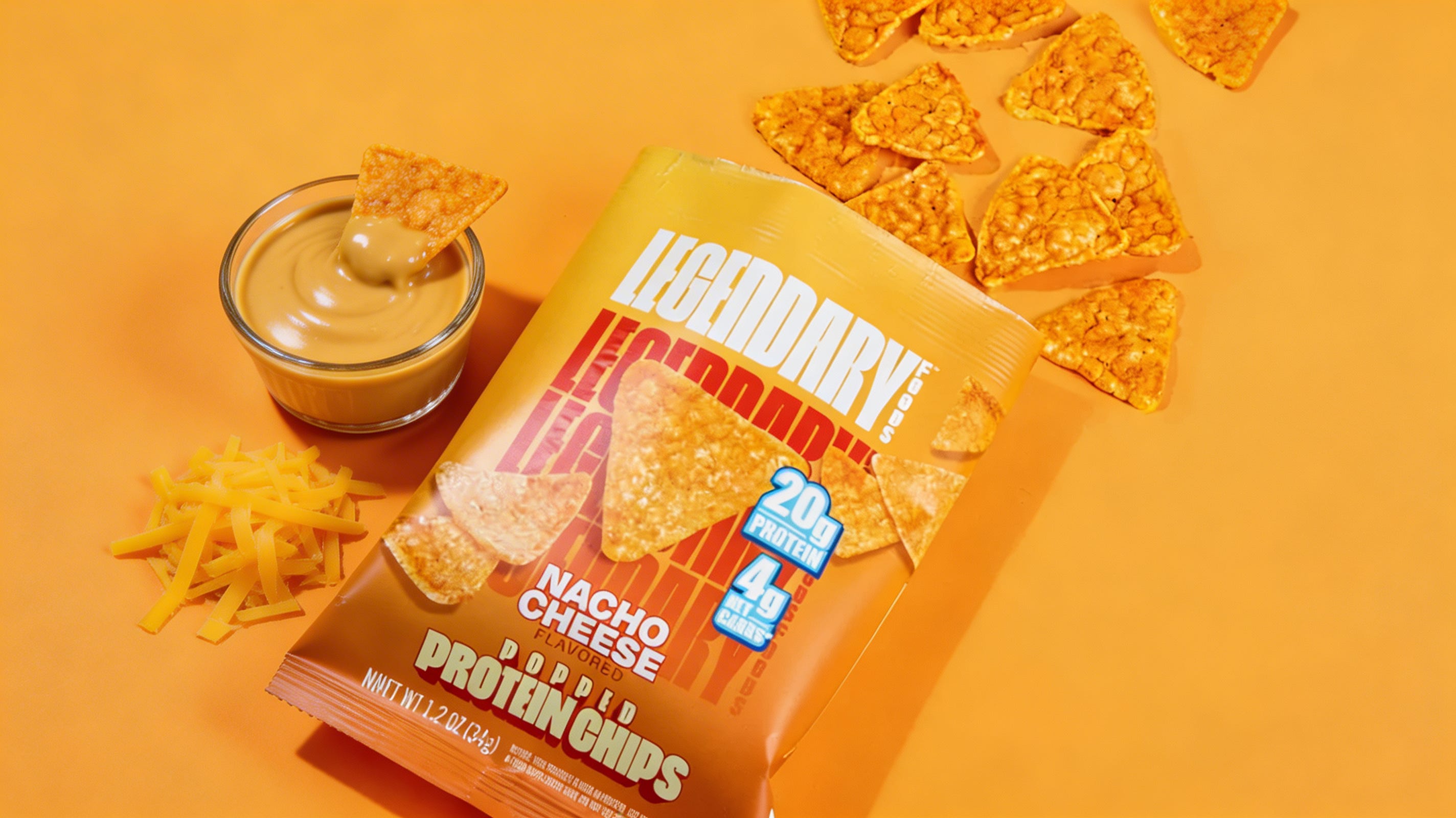
If you want to understand Indonesian snacking behavior, start here.
Not imported health snacks.
Not boutique granola brands.
But chips.
Objective Lens
According to report from Ken Research, the savory snacks market in Indonesia is worth ~US$ 4.10Bn (2024). Inside that ecosystem, potato chips alone account for ~US$1.51 billion in 2024 (Wantstats). That means
Roughly 37% of the savory snack market is concentrated in potato chips.
That’s not small. That’s a dominant subsegment inside a multi-billion-dollar category. And this category is not fragmented or immature.
It is led by strong, established brands that most Indonesians have tried before:
Chitato
Potabee
Qtela
Lays
And other regional or private label players
These brands are deeply rooted across:
Warung
Minimarket
Supermarket
Convenience chains
E-grocery platforms
Structurally, the category benefits from:
Deep GT & MT penetration
High impulse purchasing behavior
Shelf-stable logistics
Strong repeat consumption
The incumbents are strong. The rails are built. The behavior is validated. This is not a category searching for demand. Demand already exists at scale.
Our Conviction - Subjective Lens
Now the personal lens. We don’t believe Indonesians will stop eating chips. That’s unrealistic.
When potato chips represent ~37% of the entire savory snacks market, this is clearly a dominant habit. And dominant habits are extremely tough to disrupt.
On top of that:
Strong offline distribution
Expanding online and e-grocery access
Deeply entrenched, well-funded brands
And honestly, we are part of that behavior too. We enjoy chips
Morning snack
Side dish next to heavy meals
Late night munching
So this isn’t a “people should stop eating chips” story or push. It’s a wedge story. Because at the same time, we’re noticing real shifts:
More calorie awareness
Growing sodium sensitivity
Parents paying closer attention to snacks and ingredients for their kids
Younger consumers reading labels more carefully
The opportunity isn’t to sell something different. It’s to make chips feel
Slightly lighter
Slightly cleaner
Lower oil. Air-baked. Higher protein. Reduced sodium. But still indulgent and tasty at the same time. Because in this category: If taste loses, the brand dies.
At the end, it’s about making the chips we already love… better.
3. Functional Popcorn
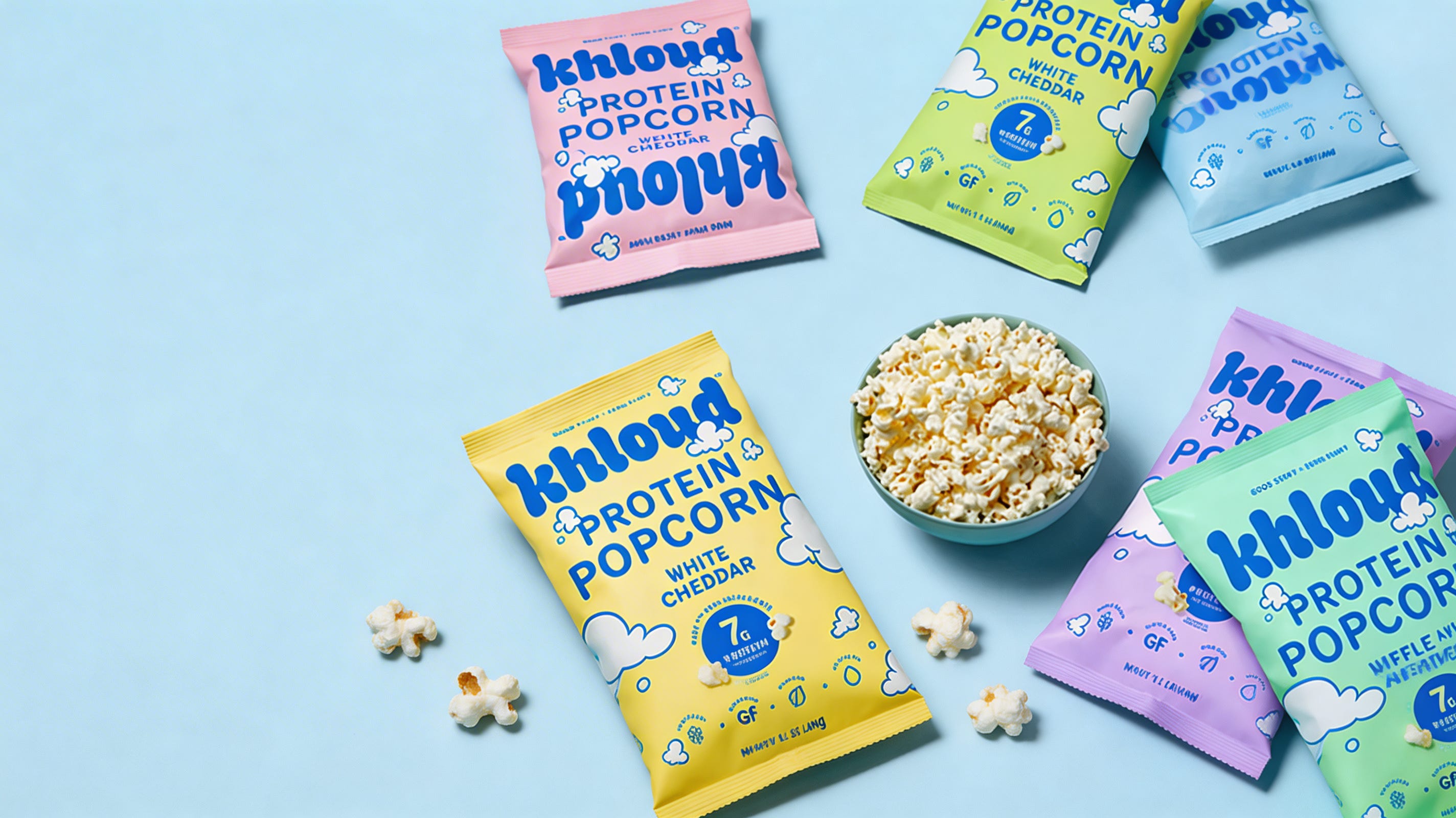
If there’s one snack category that feels under-optimized in Indonesia, it’s this.
Not chips.
Not biscuits.
But popcorn.
Objective Lens
Unlike potato chips, there isn’t a single, universally agreed-upon public dataset that cleanly breaks out Indonesia’s popcorn market size.
But what we do know is this: Popcorn is already economically meaningful.
According to reporting by Kompas, popcorn has long been described as one of the key profit drivers for cinemas often acting as a “money machine” inside theater economics.
And if we look at the broader cinema ecosystem:
Cinema XXI reported ~Rp5.7 trillion in revenue in 2024 (Cinema XXI newsroom).
Popcorn has historically been known in the cinema industry as a strong margin product globally, which helps explain why it remains central to theater F&B economics.
What does that tell us? Popcorn is not niche. It is:
High-margin
High-frequency (within cinema traffic)
Strongly associated with entertainment consumption
But here’s the gap. In Indonesia, popcorn is still heavily cinema-associated.
Outside of movie theater, it hasn’t fully evolved into an everyday modern retail snack the way it has in some other markets. And that’s the whitespace.
Our Conviction - Subjective Lens
We’re not saying popcorn will replace chips.
Chips dominate for a reason. But popcorn has something chips don’t: It already feels lighter. Even without any functional claim.
Psychologically, popcorn carries a different perception:
Less oily
More airy
More portion-controlled
Slightly less guilty
That perception matters. And in consumer behavior, perception often moves faster than nutrition facts.
We’re also observing the same broader shifts:
More calorie awareness
Growing sensitivity toward oil-heavy snacks
Office snacking becoming more intentional
Lifestyle alignment with “lighter” options
The opportunity isn’t to turn popcorn into a hardcore health product.
It’s to refine it. Make it:
Cleaner label
Lower sugar (for caramel variants)
Less artificial flavoring
Maybe slightly higher protein or fiber
Better portion packaging
But still enjoyable. Because once again:
If taste loses, the brand dies.
Popcorn doesn’t require behavior change. People already eat it. It just hasn’t been fully reframed as an everyday better snacking option in Indonesia.
And sometimes, the opportunity isn’t in inventing something new. It’s in repositioning what already exists.
4. Functional Ice Cream
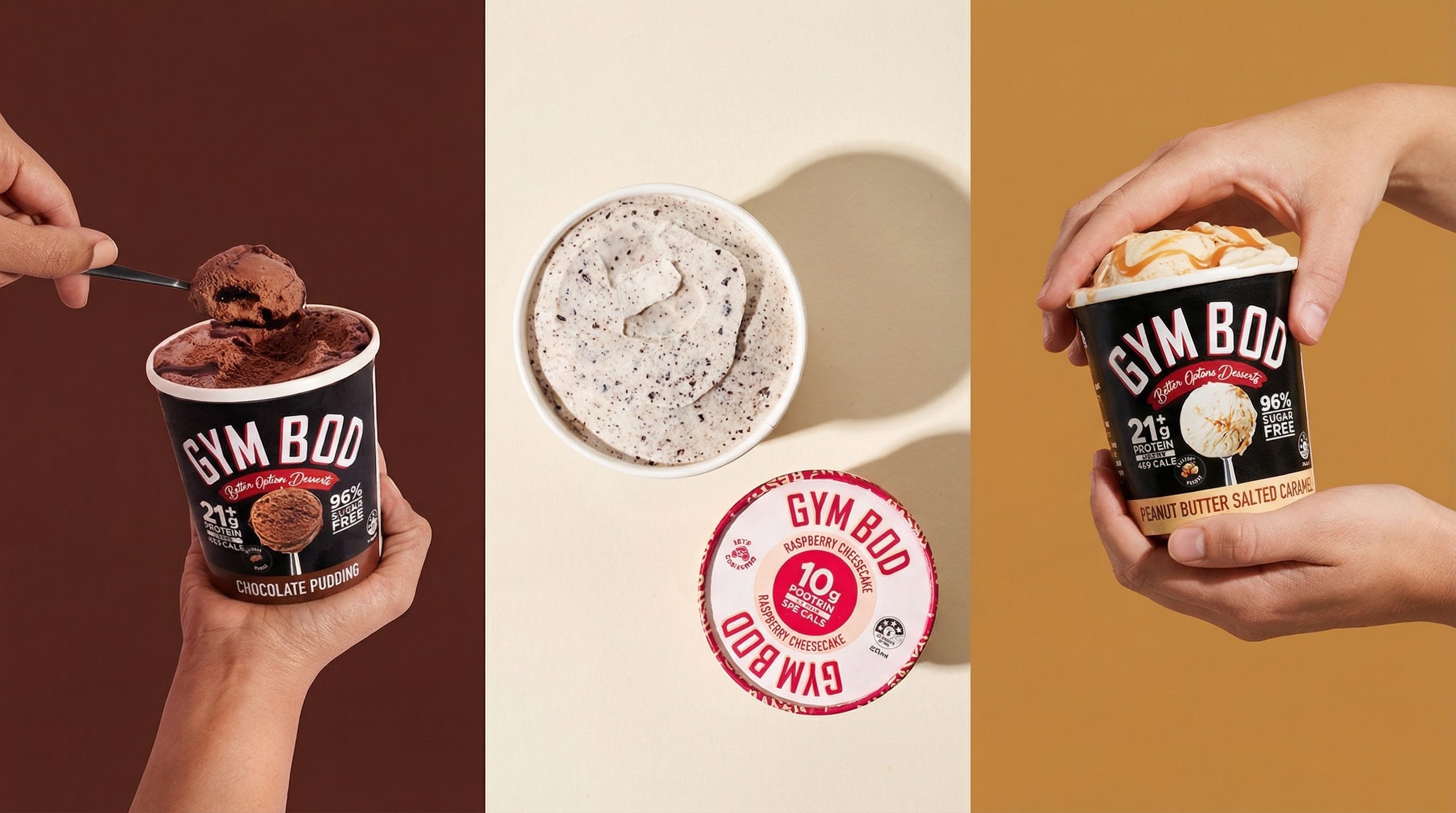
If there’s one category that Indonesia will never outgrow, it’s this.
Not frozen yogurt.
Not protein desserts.
But ice cream.
Objective Lens
Let’s ground this in numbers.
The Indonesian ice cream market recorded revenues of ~US$1.12 billion in 2024 (Research and Markets), with projected growth at a ~2.3% CAGR between 2024–2029. In volume terms, consumption reached ~188.3 million kilograms in 2024, growing at a ~1.9% CAGR over the same period.
That’s steady and stable. And in a category this embedded in daily life, stability matters. The market includes three main segments:
Impulse ice cream (single serve): Individually packaged bars, cones, cups, sticks for immediate consumption
Artisanal ice cream: Small-batch, premium, often locally crafted formats
Take-home & bulk ice cream: Tubs, pints, multi-packs for family consumption
Impulse and take-home formats dominate mass consumption behavior, especially through:
Warung freezers
Minimarkets
Supermarkets
Convenience stores
Growing e-grocery channels
Structurally, this category benefits from:
Year-round tropical climate
Strong impulse purchasing
Deep nationwide cold chain infrastructure
Dominant incumbents with scale
The Indonesian ice cream market has experienced moderate growth, supported by relatively stable economic conditions and increasing consumer purchasing power.
This is not a fragile category. It’s industrialized. Distributed. Embedded.
Our Conviction - Subjective Lens
We don’t believe Indonesians will stop eating ice cream. That’s unrealistic.
Ice cream is:
Emotional
Nostalgic
Family-oriented
Affordable indulgence
The big brands dominate.
Freezers are everywhere.
Distribution is deeply rooted.
Breaking that ecosystem head-on is extremely difficult. But here’s the wedge. We’re seeing:
Rising protein awareness
Growing lactose sensitivity conversations
More sugar reduction attempts
Younger consumers aligning indulgence with lifestyle
The opportunity isn’t to sell “diet ice cream.”
It’s to make ice cream feel:
Slightly smarter
Slightly less guilty
Slightly more aligned with active lifestyles
Higher protein
Lower sugar
Better ingredients
Smaller portion SKUs
But still indulgent. Because in frozen desserts:
If texture or taste loses, the brand dies.
And upgrading a US$1.12B climate-driven habit is far more scalable than trying to invent a new dessert category. This isn’t about removing indulgence. It’s about reframing it.
5. Functional Nuggets
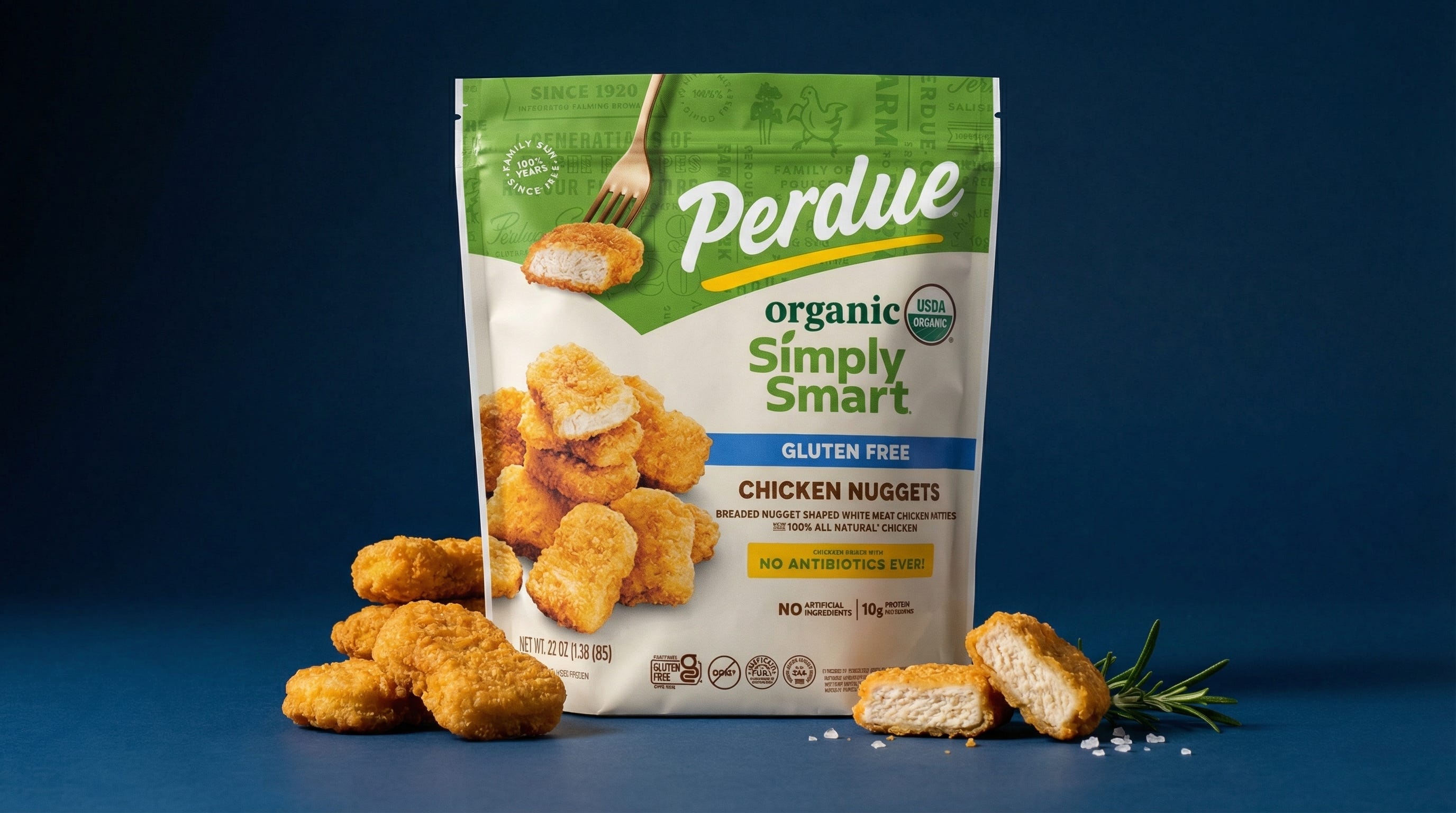
If there’s one category that quietly lives in millions of Indonesian freezers, it’s this.
Not frozen berries.
Not plant-based patties.
But nuggets.
Objective Lens
Let’s zoom out. Data Source: The Report Cubes
The Indonesia Frozen Processed Foods Market was valued at ~US$2.3 billion in 2025, and is projected to reach ~US$3.99 billion by 2034 (The Report cubs), growing at a ~6.3% CAGR (2026–2034).
That’s not slow. That’s structurally expanding.
This growth is being driven by:
Rapid urbanization (57%+ of population now urban)
Rising dual-income households
Expanding middle class (50%+ of households)
Increasing female workforce participation
Time-constrained lifestyles
Frozen food is no longer a backup option. It’s becoming a weekly grocery staple.
Within this ecosystem:
Frozen poultry dominates, accounting for ~29% of total market revenue (2025)
Supermarkets & hypermarkets contribute ~42% of sales
Online grocery is the fastest-growing channel (~9% annual growth)
Java alone accounts for ~58% of total demand
This matters.
Because nuggets sit directly inside the largest product subsegment, frozen poultry. And poultry in Indonesia has structural advantages:
Cultural dietary alignment
Affordability
Strong domestic supply chains
Vertical integration from major players
We’re not talking about a niche frozen category.
We’re talking about a protein staple inside a multi-billion-dollar market growing at 6%+ annually.
Our Conviction - Subjective Lens
We don’t believe parents will stop buying nuggets. That’s unrealistic. Nuggets are:
Practical
Kid-approved
Easy to cook
Budget-friendly
And distribution is extremely strong across:
Supermarkets
Minimarkets
Online grocery
Urban freezer households
Disrupting that ecosystem head-on is difficult. But here’s the wedge. Parents today are slightly more conscious.
Not extreme. Just more aware.
They’re asking:
What’s inside this?
How processed is this?
How much sodium?
Is there a better option for my kids?
The opportunity isn’t to make “diet nuggets.”
It’s to make nuggets feel:
Higher protein
Lower sodium
Better ingredient list
Still kid-approved
Because in this category:
If kids reject the taste, the brand dies.
But if parents feel slightly better buying it? Switching can happen.
And upgrading a US$2.3B frozen processed foods market growing at 6.3% CAGR, especially inside the dominant poultry segment is a structurally strong bet.
This isn’t about trend. It’s about upgrading a freezer staple.
Final Thoughts
None of these categories are easy.
They’re big
They’re competitive
They’re deeply embedded in daily habits
That’s exactly why they’re interesting. We’re not betting on new behavior. We’re betting on incremental upgrades inside massive existing habits.
A better soda
A smarter chip
A lighter popcorn
A more aligned ice cream
A cleaner nugget
In Indonesia, scale doesn’t usually come from disruption. It comes from migration. And when the base habit is multi-billion dollars, even small shifts compound.
That’s our thesis.
Not hype.
Just conviction applied to real categories.
If you enjoyed this breakdown: Follow us on IG at Neverlaterventures and subscribe
Before you go, quick poll 👇