
Behind the Conviction #01 - Conversation with Oliver, Investment at Trihill Capital
An inside look at how Trihill Capital thinks about building and backing consumer brands in Indonesia


Behind the Conviction is a series where we sit down with founders, operators, and investors to unpack how they think, not just what they do.
We go beyond surface-level insights, focusing on the underlying beliefs, decision-making frameworks, and patterns that shape how great companies are built and scaled, especially within the consumer and retail space.
For our very first episode, we’re grateful to have Oliver from Trihill Capital joining our conversation.
Thank you Oliver, for being our first guest and for sharing your perspective with us, appreciate it so much.
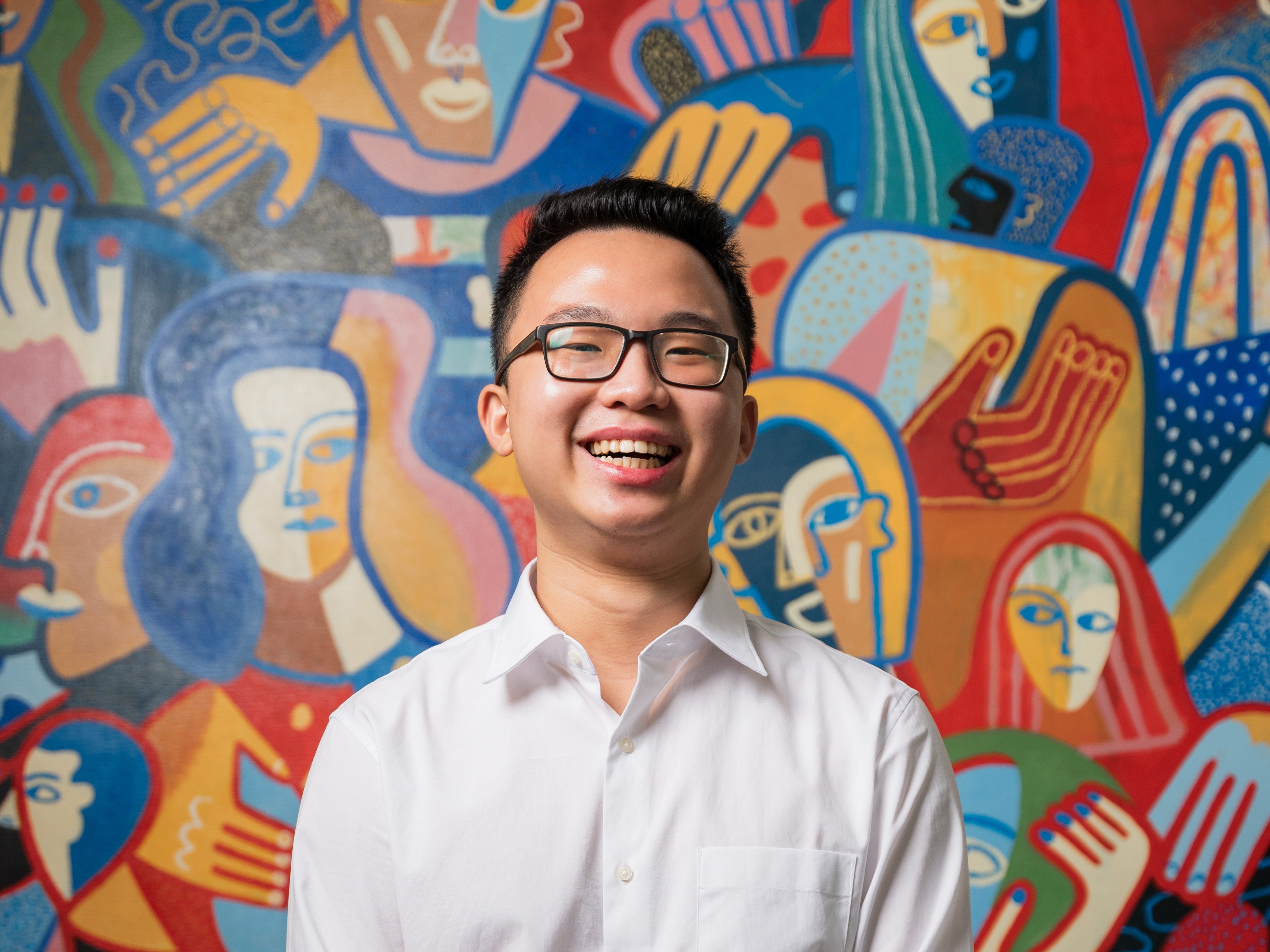
1. Opening Question
We usually like to start with a direct one Oliver: What excites you most about the consumer and retail space in Indonesia right now?
The rise of local brands over the past few years have been genuinely exciting. Indonesian consumers are increasingly choosing local over international, not just because of price, but because of relevance. Local founders and brands understand the nuance of Indonesia in ways that global brands can’t replicate without an on the ground presence here.
2. About Trihill Capital
Now, let’s take a step back and get to know Trihill Capital a bit more.
A. Can you share a brief introduction to Trihill Capital?
Trihill Capital is a multi-asset investment firm with a focus on early to growth-stage ventures in Southeast Asia and global public equities, with a strong network of enterprises and financial institutions across the region.
Our portfolio spans early-to-growth private companies in Southeast Asia, as well as listed, large-cap technology and consumer companies in the US.
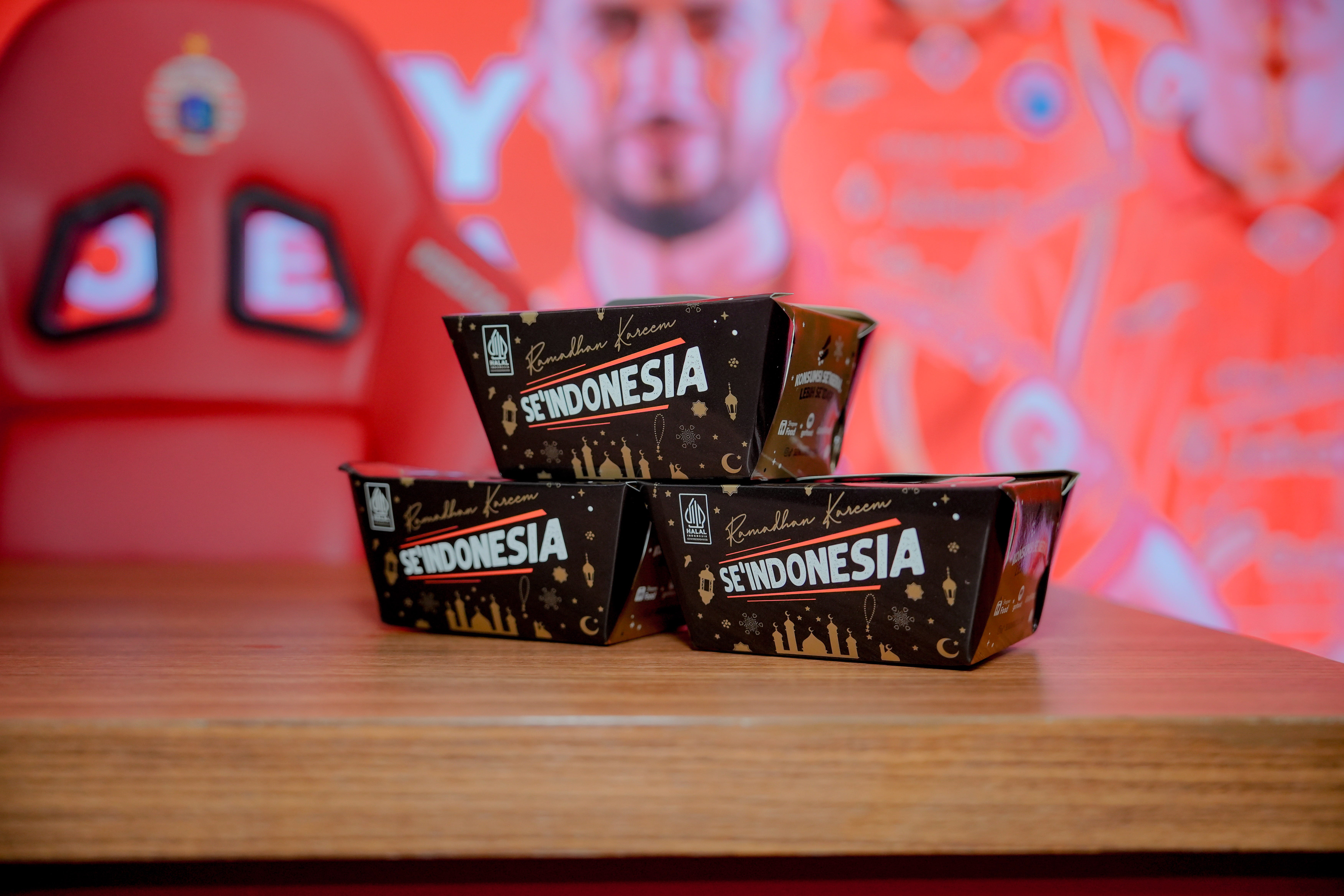
On the private investments side, we have backed 27 portfolio companies across Indonesia, Singapore, and Vietnam, including notable consumer brands such as FIT HUB and Se’Indonesia.
B. What sectors and stages are you most focused on today?
We primarily focus on early-stage consumer-facing businesses, including brands, retail and selected service businesses. We also invest selectively in growth-stage companies.
C. And could you share your consumer & retail investment you’ve made so far?
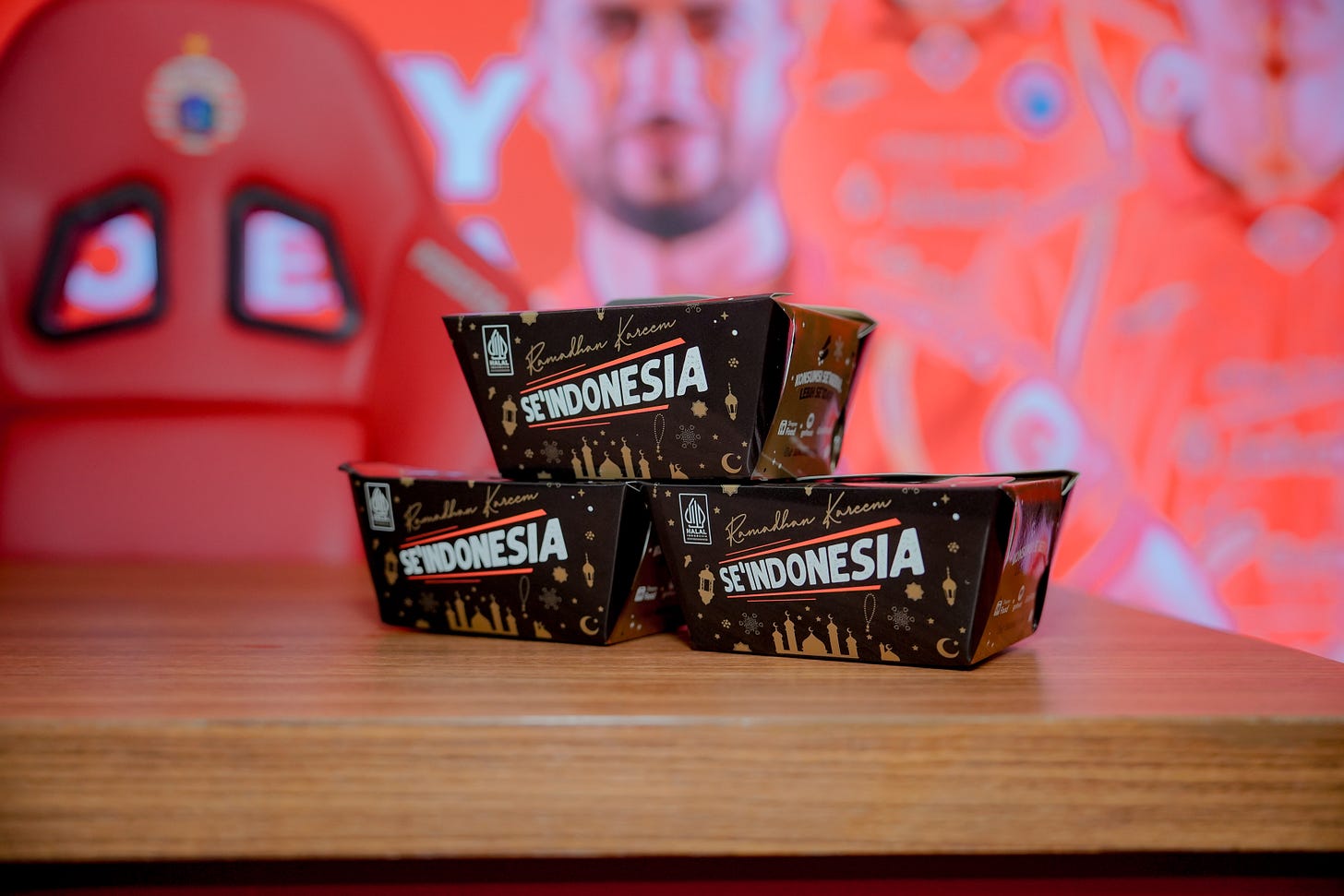
Se’Indonesia (F&B): 24/7 quick-service F&B chain serving staple Indonesian smoked beef and chicken (se’i) across both online channels and offline establishments
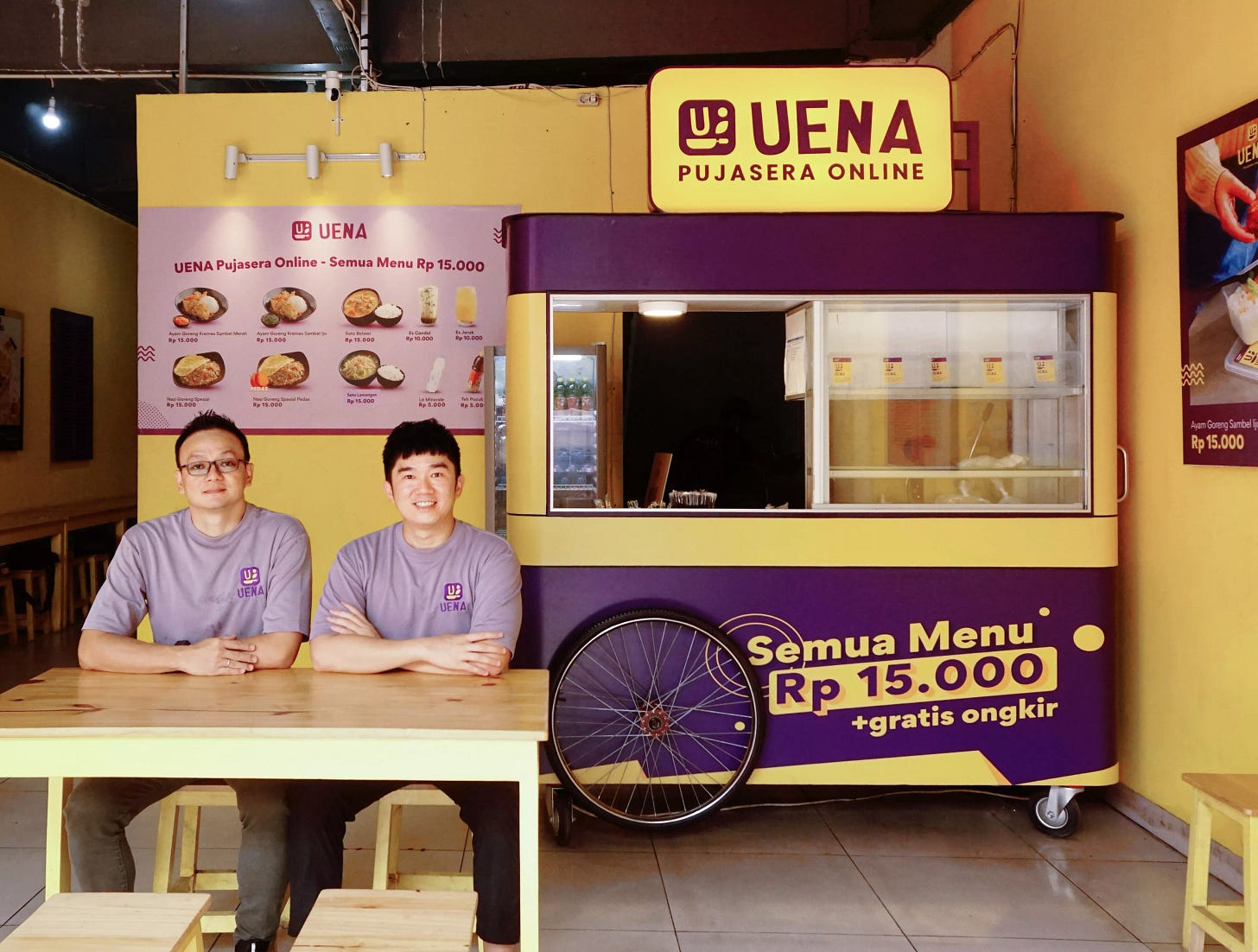
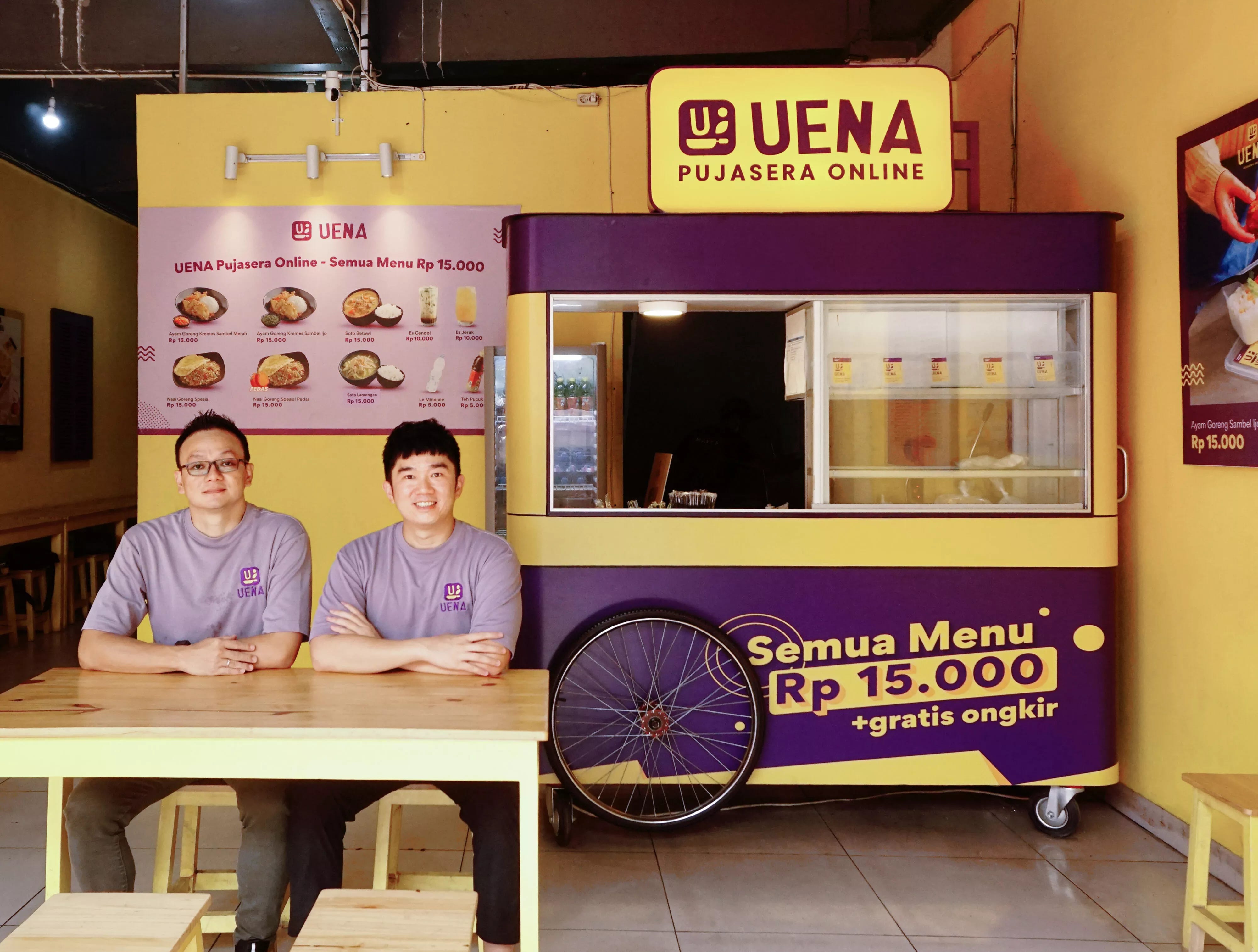
Uena (F&B): hyperlocal F&B chain that serves affordable Indonesian everyday food and beverage with restaurant-grade hygiene
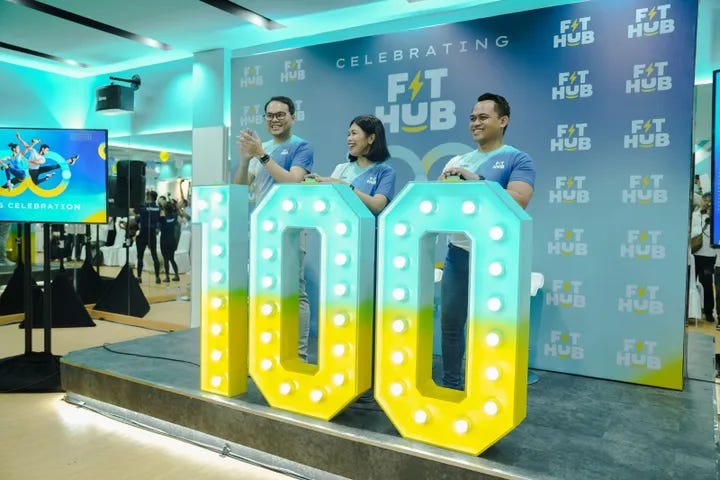
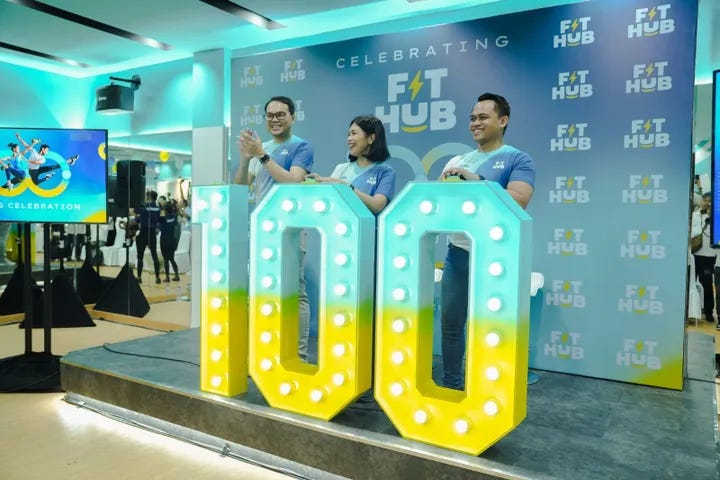
FIT HUB (health & wellness): the largest gym operator in Indonesia providing well-rounded health & wellness solutions
Zenith Learning Group (education): Singapore’s leading JC (high school) and secondary enrichment provider
Pilot Global (education): Singapore-based platform that provides early childhood care and education
Hiboo (mom & baby CPG): affordable Pediatrician-formulated personal care and supplement brand aiming to improve the wellness of moms and babies in Indonesia
Undergarment retail brand: soon to be announced
Beyond our existing consumer and retail investments, we believe the consumer sector continues to offer significant untapped opportunities. It is also one of the most intuitive sectors to understand and scale, which is why we intend to continue our focus on this space.
Super helpful context, especially understanding where Trihill Capital is spending time and building conviction today.
3. Consumer & Retail - Trihill Capital Perspective
Let’s go a bit deeper into your perspective on the consumer & retail space.
A. What makes you believe in the consumer and retail opportunity in Indonesia?
A few things, but I want to focus on two main points. First, the purchasing power of the Indonesian middle class is real and growing (yes, there’s short-term noise with everything happening globally, but the long-term trajectory is still up). Second, local brands are proving that they can compete with international ones, on product and branding. Local founders understand the customers at a depth that multinationals cannot match.
Ten years ago, the middle class was essentially stuck choosing between mass-quality local legacy brands or high-end international ones. There was a huge gap in the middle and that’s exactly where a new generation of local, high-quality brands has been stepping in. This middle ground is what excites me.
B. What kind of founders and businesses are you actively looking to back today?
On the business side, we look for companies serving a genuine gap in a large enough vertical, ideally with relevant branding and position. We prefer companies that are profitable or close to break-even with strong unit economics, but we’re open to businesses with a clear path to profitability within 12 months. For retail specifically, payback period and revenue per location matter a lot to us as these metrics determine whether the business can scale.
On founder criteria, we look for people who are open to feedback and willing to learn. We also value founders who are deeply on the ground with their operations, know their numbers well, and keep up with how the competitive landscape is evolving.
C. And what are 5 categories within consumer & retail space you’d be most excited to invest in today?
Five categories come to mind.
First, affordable lifestyle and wellness (e.g. fitness, beauty, preventive health). Demand from the middle class is outpacing supply here, and there’s still a lot of white space.
Second, F&B brands with scalable formats, especially ones that can work both online and offline without losing what makes them special.
Third, local brands that have built real, loyal communities around their products and are growing profitably (and not just chasing revenue).
Fourth, value-driven retail concepts where the pricing and operations actually make sense at scale for the middle or mass market.
Fifth, the infrastructure layer for these consumer and retail brands (supply chain, distribution, and retail tech platforms) that the whole industry depends on but doesn’t always get the attention they deserve.
That said, we’re still open to other consumer and retail businesses that might not exactly fit the five categories above.
4. Operator Insights
Switching gears a bit, we’re curious from a more operator lens.
A. From your experience backing founders and companies, what differentiates those that scale vs those that don’t?
From our experience, strong unit economics is what separates companies that scale from those that stall. For consumer product businesses, we focus on contribution margin after COGS, logistics, and marketing. For retail businesses, we look at revenue per location and payback period.
Beyond the numbers, the most important factor is the founder’s ability to adapt. Consumer behavior and competition in Indonesia shift quickly. Founders who adjust their product, go-to-market, and operations are the ones who keep compounding.
B. What are some common mistakes you see in early stage startups?
A common mistake is scaling too early. Founders often push for growth before the unit economics work. If the business loses money on each transaction, location, or customer, growth only makes the problem larger and harder to fix.
This sounds obvious, but many early-stage founders feel pressure to chase revenue before the foundation is solid. Revenue growth is not the same as business health or sustainability.
C. And how do those challenges evolve for mid to late stage companies?
If the early stage is about doing the wrong things, the mid-to-late stage is about mismanaging the right ones. Starting in the mid-stage, the business model should have worked and proven, but two challenges usually emerge.
First, over-expansion. Companies at this stage have the capital and (more) pressure to grow fast. When they move into new locations, categories or markets before their core business is solid. The bets also get bigger here as they have to actually move the needle. That’s exactly what makes it dangerous. When a large bet goes wrong and the foundation isn’t solid, it can sink the whole company.
5. Broader Lens
A. What are your top 3 global well known consumer or retail brands that founders and operators should study today?
I’ll share more on 2 brands that I keep my eyes on.
First, Luckin Coffee proves that you can disrupt a category by a global giant by redesigning the model entirely for your consumer (not just copying Starbucks, but building the exact opposite model: app-first, pickup-only, and priced for everyday consumption)
Second, Lululemon built a lifestyle and community around a functional product, turning customer loyalty (read: cult) into a moat that no competitor could easily replicate
B. And if you could recommend one book to founders and operators, what would that be?
Honestly, I don’t read as many books as I probably should but one that stuck with me is Super Pumped by Mike Isaac. It’s a fascinating look at Uber’s rise and what makes it valuable isn’t the success story, but it’s a raw look at how decisions are made under pressure, how chaotic the internal team was, and the cost of scaling the business at that speed.
For founders, there is often more value in understanding the “real” story behind a company than relying solely on a polished playbook. However for those looking to navigate the fundraising process, we will be launching a dedicated playbook soon, stay tuned!
6. Closing
Before we wrap, just a couple of quick ones.
A. Where can founders reach out to Trihill Capital?
The best way to reach us is through info@trihillcapital.com, or feel free to reach out to me directly at oliver@trihillcapital.com
B. Any final thoughts you’d like to share with founders and operators in Indonesia?
Not every strong business needs venture capital, and not every founder should raise capital. The priority is to build a business with strong fundamentals. Funding is a tool to scale, not a milestone.
For founders who are ready, the opportunity in Indonesia is real. The market is large, demand is there, and there are investors who want to back founders building meaningful businesses in the country.
Really appreciate the time and openness, Oliver.
This was a thoughtful look into how Trihill Capital thinks about the consumer and retail space, and we’re sure many founders and operators will find this valuable.
Looking forward to seeing how the space continues to evolve.
Before You Go
If you enjoy pieces like this, we’ll be sharing more through Behind the Conviction, featuring conversations with founders, operators, and investors across the ecosystem.
Follow Neverlater & Trihill Capital Instagram accounts at
Instagram: @neverlaterventures
Instagram: @trihillcapital
LinkedIn: Trihill Capital
And as always, if there’s someone you think we should speak to next, let us know.